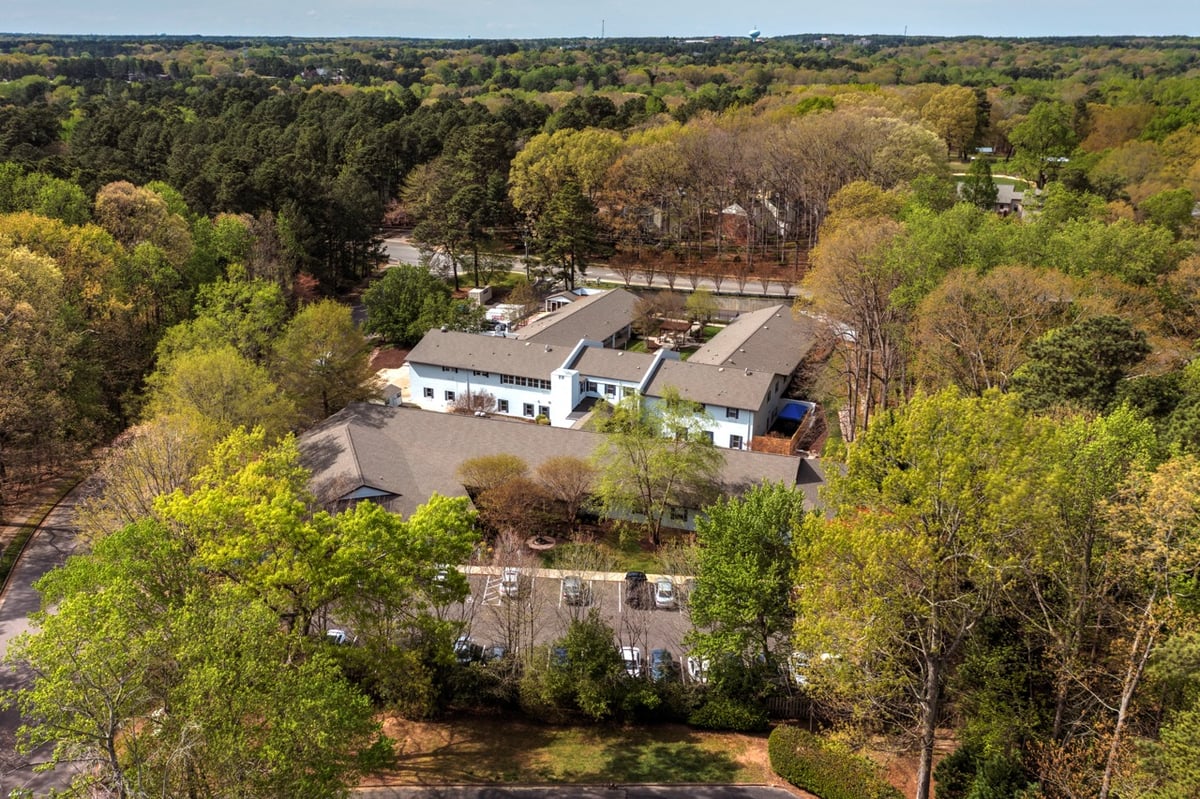

Nighttime cravings can be a common issue among individuals, regardless of age. In senior Assisted Living facilities in Raleigh, NC, addressing these cravings effectively is crucial to maintaining the health and happiness of residents. These communities employ several strategies to ensure that residents have healthy options available and support to combat cravings responsibly.
Understanding the Causes of Nighttime Cravings
Before exploring the solutions, it is important to understand why nighttime cravings occur. Factors such as reduced physical activity, medication side effects or changes in metabolism can all contribute. Communities prioritize understanding these underlying causes to tailor their approach effectively.
Scheduled Nutritious Snacking
One effective approach is the implementation of scheduled nutritious snacking. This strategy involves providing healthy snack options at set times during the evening to prevent residents from feeling overly hungry before bedtime. These snacks are designed to be satisfying yet healthful, incorporating elements like proteins and fibers that aid in feeling fuller longer and assist in stabilizing blood sugar levels.
Educational Programs on Healthy Eating
Education plays a pivotal role in managing eating habits. Many communities include educational programs that teach residents about the importance of nutrition and how it affects their bodies and sleep patterns. These programs often cover topics such as the benefits of certain foods and how to recognize true hunger versus habitual eating.
Creating a Supportive Environment
The setting within communities is specifically crafted to foster healthy eating behaviors. Dining spaces are arranged to be welcoming and cozy, promoting an atmosphere where residents can savor their meals leisurely and thoroughly. This approach helps diminish the inclination to excessively snack later on.
Promoting Regular Physical Activity
Regular physical activity is encouraged to help manage weight, improve metabolism and boost overall health. Activities are adapted to fit the mobility and health status of each resident, ranging from gentle yoga to more active exercise classes. By staying active, residents can better regulate their appetite and reduce nighttime cravings.
Individualized Health and Wellness Plans
Each resident may have different dietary needs and restrictions. To address this, personalized health and wellness plans are created in collaboration with healthcare providers. These plans take into account the nutritional needs and medical conditions of each resident, ensuring they receive balanced meals and snacks that support their overall health and help manage cravings.
Accessible and Healthy Snack Options
To directly combat cravings, healthy snack options are made readily available throughout the facility. These snacks are often rich in nutrients, such as fruits, vegetables, nuts and whole grains, which are not only healthier but also more satisfying.
Mindfulness and Relaxation Techniques
Many residents may experience cravings due to emotional reasons such as stress or boredom. Communities provide programs like guided meditation or relaxation techniques that help residents manage their emotional health. By addressing these psychological aspects, the frequency and intensity of cravings can be significantly reduced.
Regular Sleep Hygiene Education
Since poor sleep can contribute to increased appetite and cravings, promoting good sleep hygiene is essential. Residents receive guidance on how to establish a nighttime routine that encourages restful sleep, including tips on winding down and making their sleeping environment more conducive to sleep.
Dietary Monitoring and Adjustments
Assisted Living communities often monitor the dietary intake of residents to identify patterns that might contribute to nighttime cravings. Dietitians or nutritionists can then make adjustments to meal plans to ensure they are satisfying and balanced, reducing the need for late-night snacking.
Regular Consultations with Nutrition Experts
Residents have access to regular consultations with nutrition experts. These experts can provide personalized advice and strategies for managing cravings, taking into account individual health conditions and preferences.
Utilization of Smaller, Frequent Meals
Instead of three large meals, some places offer the option of smaller, more frequent meals throughout the day. This can help keep blood sugar levels stable and reduce the intensity of cravings later in the night.
Emotional Support Groups
Recognizing that some eating behaviors are emotionally driven, Assisted Living communities might offer support groups where residents can discuss their feelings and receive emotional support from peers and professionals. This can help address the emotional triggers of eating and reduce the occurrence of nighttime snacking.
Encouraging Social Engagement
Social activities can also help manage nighttime cravings by keeping residents engaged and mentally stimulated. Events and gatherings in the evening can provide a sense of community and fulfillment that might otherwise be sought through additional eating. The diverse retirement community amenities and senior living programs, including hobby clubs, evening socials and entertainment events, not only provide enjoyment but also a way to meet emotional needs without turning to food.
Senior Assisted Living facilities in Raleigh, NC, address nighttime cravings in residents through a holistic approach that includes healthy snacking, physical activity, personalized health care and emotional support. By fostering an environment that emphasizes balanced living, these centers help residents manage their cravings effectively, ensuring they maintain a healthy lifestyle in their later years.