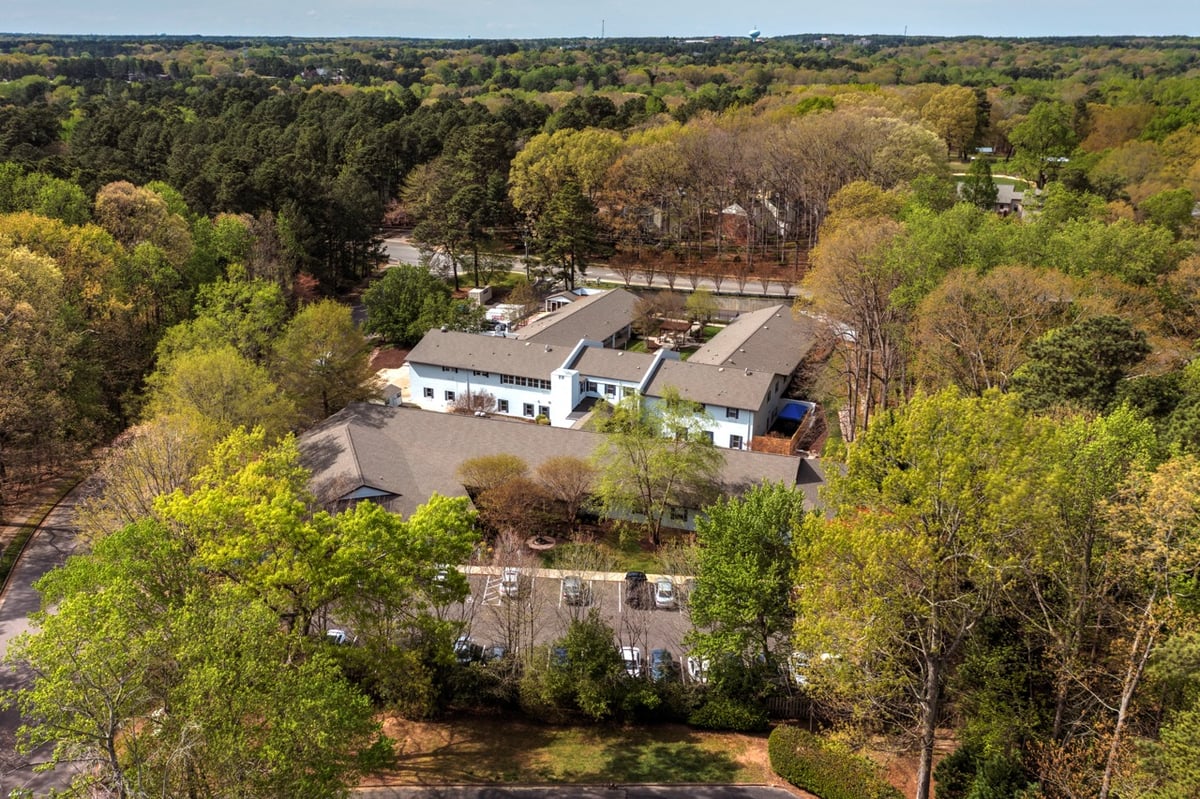

Use brain health habits like social connections, stimulating discussions in groups, and learning new skills as a way of garnering curiosity and staying sharp as you age. At TerraBella Northridge, the concept of creative aging well goes beyond physical health; it embraces mental curiosity as a powerful driver of brain vitality, emotional well-being, and overall quality of life.
While genetics and lifestyle factors influence how our brains age, research shows that staying curious and mentally engaged can strengthen cognitive function long into later years.
Mental curiosity isn't about academic achievement or memory tests; it's about everyday engagement, exploration, and the joy of learning. At TerraBella Northridge, located in Raleigh, NC, residents are encouraged to cultivate curiosity through diverse activities, conversations, and purposeful moments that stimulate thought and spark connection.
By nurturing inquisitiveness, the community supports aging brains in a way that is both meaningful and practical.
Curiosity and Cognition as a Daily Practice
Mental curiosity doesn't require intense study or concentration; it simply involves approaching the world with openness and interest. TerraBella Northridge integrates curiosity into daily life through activities designed to challenge thinking in natural, enjoyable ways:
Stimulating Discussion Groups
Group conversations about history, current events, or personal experiences invite residents to think critically and express their ideas. These discussions promote memory recall, language skills, and perspective taking-all of which strengthen neural connections.
Learning New Skills and Hobbies
Trying something new, whether it's painting, music, a language, or technology, encourages cognitive flexibility. Learning doesn't have to be perfect; the value lies in the process of exploration.
Brain Games and Puzzles
Activities like word games, strategy challenges, and puzzles promote reasoning, problem-solving, and attention to detail. Residents enjoy enrichment in assisted living with social engagement while their brains benefit from thoughtful stimulation.
Curiosity and Emotional Well-Being
Mental curiosity is closely tied to emotional health. When residents are engaged and interested, they often experience:
- Greater sense of purpose
- Increased confidence
- Heightened social connection
- Reduced feelings of boredom or isolation
Curiosity invites residents to remain active participants in life rather than passive observers. This sense of senior mental engagement supports emotional resilience and overall satisfaction.
Learning Through Social Connection
Curiosity thrives in community. Sharing questions, discoveries, and conversations with others strengthens bonds and supports mental health. TerraBella Northridge fosters environments where residents learn from each other, celebrate each other's insights, and enjoy shared moments of discovery.
Shared curiosity ignites curiosity itself: when one person asks a question, it often leads others to think more deeply or consider new perspectives. These social exchanges boost mood and reinforce cognitive engagement.
Challenges as Opportunities
Curiosity encourages reframing challenges as opportunities rather than obstacles.Residents at TerraBella Northridge are supported in embracing moments of uncertainty as chances to learn, adapt, and grow. Whether mastering a new game, tackling a difficult topic, or exploring a creative process, challenges become pathways to brain health.
This mindset, viewing learning as joyful and continuous, helps residents stay mentally active and open to new experiences.
Curiosity and Memory Support
While curiosity doesn't guarantee perfect recall, it enhances memory encoding. When we are genuinely interested in a topic, our brains allocate more resources to processing and storing information. This means that curious engagement boosts the likelihood that experiences and learning will stick.
TerraBella Northridge harnesses this by offering curiosity-driven activities that align with residents' interests. When residents pursue what naturally intrigues them, memory and cognitive engagement improve.
Creating a Culture of Curiosity
At TerraBella Northridge, curiosity isn't something that happens occasionally; it's part of the community's culture. Staff, activities, and social environments are designed to encourage ongoing exploration. Residents are invited to:
- Ask "why" and "how" questions
- Share discoveries with others
- Explore topics beyond their comfort zone
- Reflect on past experiences in new ways
This culture reinforces that curiosity is not only acceptable; it's celebrated.
Research Supporting Curiosity and Aging Brains
A growing body of research highlights the benefits of mental engagement for aging adults. Studies show that seniors who engage in intellectually stimulating activities have:
- Lower rates of cognitive decline
- Better memory performance
- Improved mental agility
- Enhanced mood and quality of life
These benefits are strongest when engagement is regular and self-motivated rather than passive.
Practical Tips to Foster Curiosity Every Day
Curiosity can be cultivated through small, intentional habits:
- Ask questions about the world around you
- Try new activities regularly
- Read broadly and explore diverse topics
- Join discussion or learning groups
- Reflect on experiences and lessons learned
These habits become lifelong opportunities for growth and engagement.
Frequently Asked Questions
What Is Mental Curiosity?
Mental curiosity is the desire to learn, explore, and understand new things. It drives engagement and supports cognitive function.
How Does Curiosity Benefit Aging Brains?
Curiosity stimulates dopamine release, enhances memory encoding, and builds cognitive reserve. All of this helps the brain stay active and adaptable.
Are Structured Learning Activities Necessary?
Not necessarily. While structured programs help, curiosity can be nurtured through everyday behaviors like asking questions, trying new things, and engaging in meaningful conversations.
Can Curiosity Reduce Memory Decline?
Curiosity supports stronger memory encoding and neural engagement. This can help slow age-related cognitive changes when practiced consistently.
Does Curiosity Improve Emotional Well-Being?
Yes. Curious engagement promotes purpose, social connection, confidence, and a positive outlook, boosting emotional health.
How Can Families Support Curiosity?
Encourage exploration, share new experiences, and ask open-ended questions. You can help provide opportunities for residents to learn and discuss.
Is Curiosity the Same as Intelligence?
No. Curiosity is a mindset, a willingness to explore, while intelligence refers to cognitive ability. Curiosity encourages learning regardless of baseline ability.
TerraBella Northridge: Stay Curious As You Age With Us
There are many ways the staff at TerraBella Northridge ensures our residents stay curious and creative as they age. With live entertainment, pet therapy, daily devotion, crafts, and so much more, you are going to be busy all day long. You will have trouble picking which activity to take part in with so many to choose from.
Schedule a tour of our community to get a feel of it all and see if we are a fit for your creative aging goals.