
Summary
Understanding how memory care neighborhoods work helps families find the right support for a loved one living with dementia. Safety, dignity, and personalized routines work together to create an environment where residents thrive.
- Memory care design uses environmental cues, soothing colors, visual orientation aids, and therapeutic spaces to reduce confusion while maintaining comfort
- Specialized team training in person-centered communication and behavioral response techniques ensures daily support matches each resident's individual needs, preferences, and background
- Programs like GLOW℠ Memory Care organize support around six pillars: legacy preservation, cognitive engagement, sensory enrichment, family collaboration, dining experience, and team training
- Transitional Memory Care and specialized memory care options serve different cognitive needs, with the ability to transition as conditions change
- Families should ask specific questions about access monitoring, outdoor boundaries, emergency response, and how safety plans adapt as needs evolve
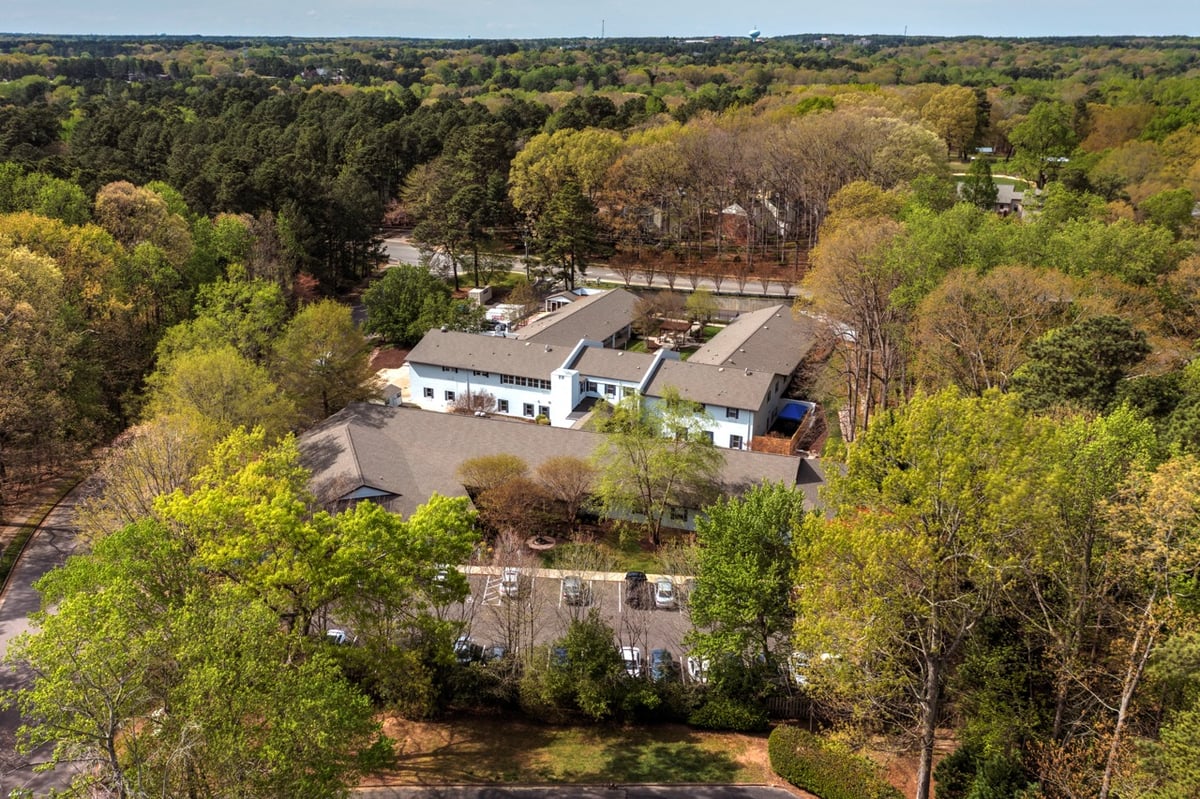
Families exploring specialized support for a loved one living with dementia often want to understand how memory care neighborhoods work. Safety matters, but so do dignity, choice, and familiar routines. At TerraBella Northridge in Raleigh, residents may receive support through Transitional Memory Care or GLOW℠ Memory Care, depending on their cognitive needs and daily routines.
Safety Starts with a Supportive Physical Setting
Effective memory care safety features begin with the surroundings. The goal is to reduce unnecessary confusion while helping residents move through the day with greater comfort. Specialized memory care design may use environmental cues that are easy to recognize without making the neighborhood feel restrictive.
GLOW℠ Memory Care at TerraBella Northridge incorporates sensory enrichment and environmental support as part of its personalized approach. Families may notice features such as:
Soothing color choices that create a calmer atmosphere
Memory aids and visual cues that support orientation
Lighting choices that make spaces easier to understand
Therapeutic areas that engage sight, sound, touch, smell, and taste
Shared spaces that support familiar routines and meaningful connection
These dementia-friendly environment features work best when they reflect how residents actually live. During a visit, notice whether the neighborhood feels comfortable, whether important areas are easy to identify, and whether residents can move between spaces without unnecessary barriers.
Daily Support Matters as Much as the Setting
A physical setting cannot provide complete protection on its own. Memory care security measures are strongest when team members understand each resident’s background, preferences, communication style, and common sources of stress.
The GLOW℠ Memory Care program is organized around six pillars: legacy preservation, cognitive engagement, sensory enrichment, family collaboration, dining experience, and team training. These pillars support a personalized daily rhythm rather than a one-size-fits-all schedule.
That approach may include:
Communication strategies that respect each resident’s abilities
Routines shaped by personal history, traditions, and preferences
One-on-one or group engagement based on comfort and interest
Flexible dining support, including menu choice and adapted service
Ongoing family input as needs, preferences, or behaviors change
Team training is especially important. TerraBella explains that GLOW℠ team members receive ongoing dementia education, including person-centered communication and behavioral response techniques.
Support Can Change as Needs Evolve
Not every person living with dementia needs the same level of structure. TerraBella Northridge offers Transitional Memory Care for residents experiencing mild memory impairment or early-stage dementia. This option includes gentle reminders, individualized attention, and access to support in a comfortable setting.
GLOW℠ Memory Care provides a more specialized approach for people living with Alzheimer’s disease or related dementias. Because both options are available within the same community, families can ask how transitions are handled if cognitive or functional needs change.
The community currently lists Haywood and Victoria memory care suites, giving families specific apartment-home layouts to discuss during a visit.
Ask Specific Questions About Security
The community website does not list every access-control or monitoring technology used in its neighborhoods. Families should ask direct questions during a tour rather than assume that every community uses the same systems.
Helpful questions include:
How are entrances, exits, and visitor access monitored?
What outdoor areas can residents use, and how are boundaries maintained?
How do team members respond when a resident is looking for an exit?
How are wellness checks and emergency responses handled?
How often are support plans reviewed with families?
What happens if a resident’s safety needs change?
These questions can reveal how safety-enhanced memory care works in everyday situations. Look for answers that balance protection with privacy, freedom of movement, and respectful redirection.
Meaningful Engagement Supports Predictability
A steady routine can help residents know what to expect from the day. Cognitive engagement, sensory experiences, music, conversation, familiar tasks, and quiet reflection may all have a place, depending on the individual.
The community’s senior living programs also include home-style dining, Health & Fitness programming, scheduled transportation, social events, and apartment maintenance. Families should ask which offerings are available within each neighborhood and how they are adapted to residents’ abilities and preferences.
Frequently Asked Questions
Are All Specialized Neighborhoods the Same?
No. Communities differ in layout, team training, programming, access systems, dining support, and how they personalize daily routines.
Does a Secure Neighborhood Limit Personal Choice?
It should balance protection with dignity and choice. Ask how residents select meals, spend time, move through shared spaces, and participate in preferred programs.
Can Families Help Shape a Resident’s Routine?
Yes. Family collaboration is one of the six GLOW℠ pillars, and personal history can guide communication, dining, engagement, and daily routines.
Schedule a tour of TerraBella Northridge to explore the neighborhoods, meet the team, and ask how safety and personalized support work each day.